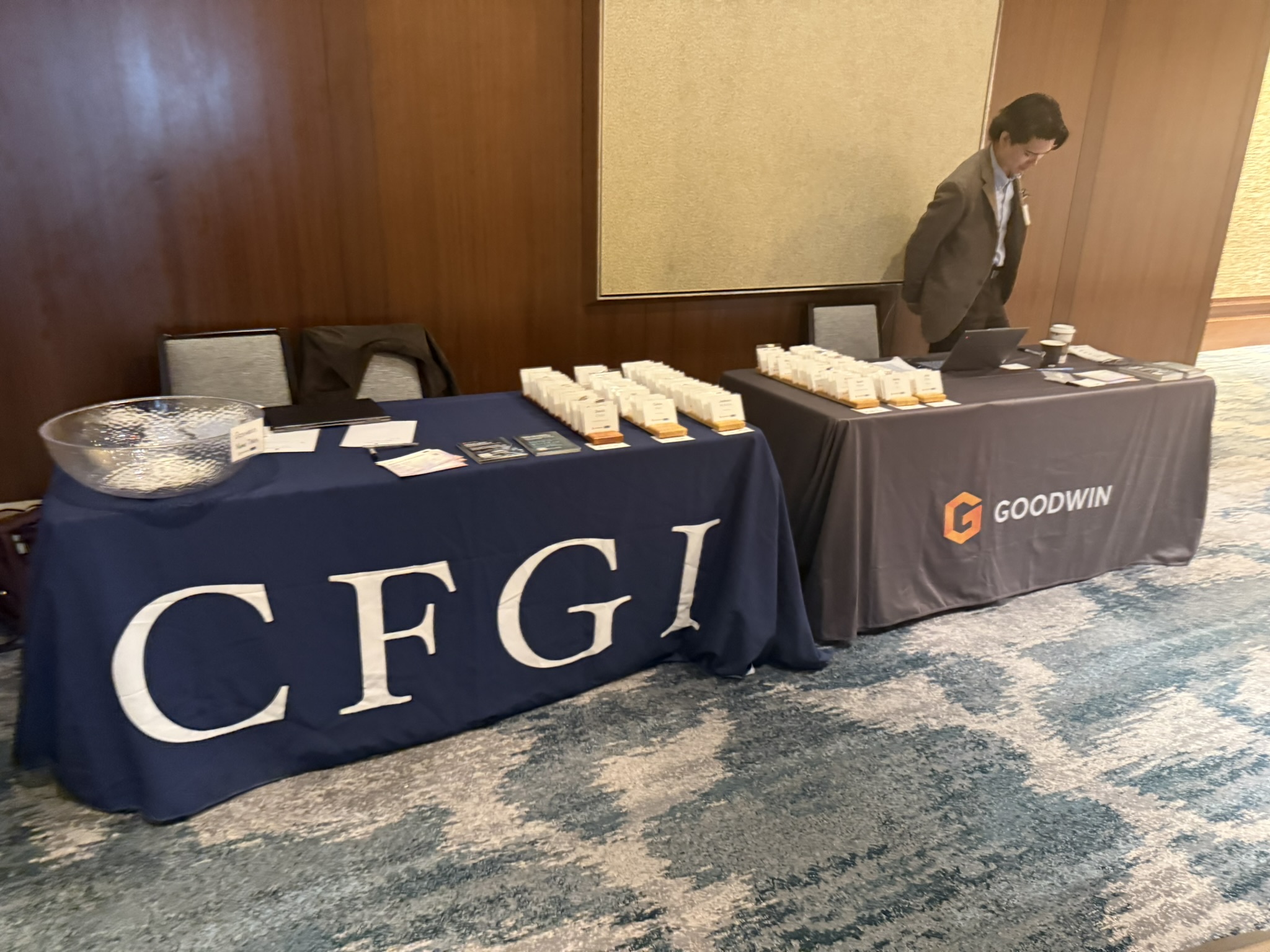
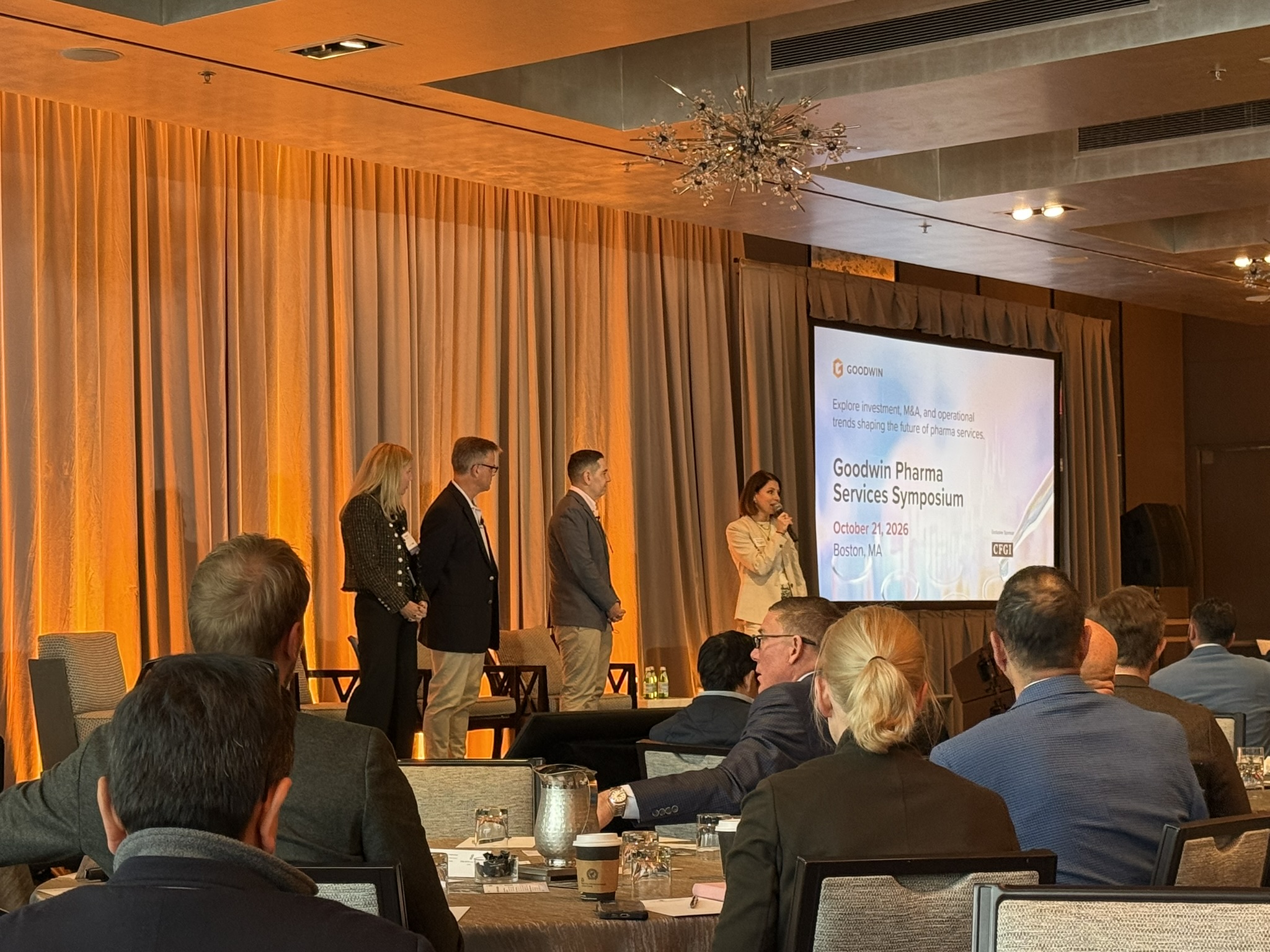

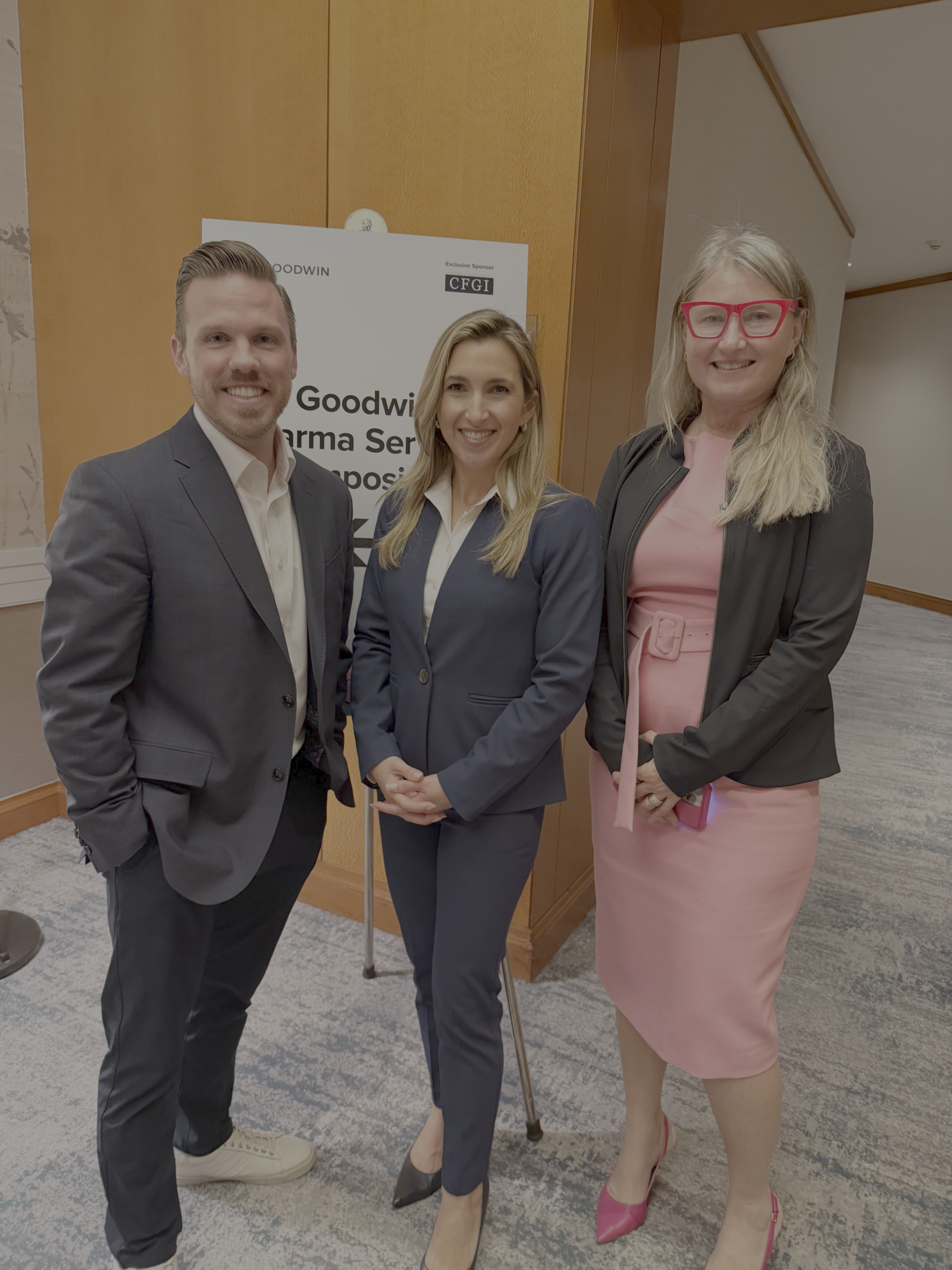
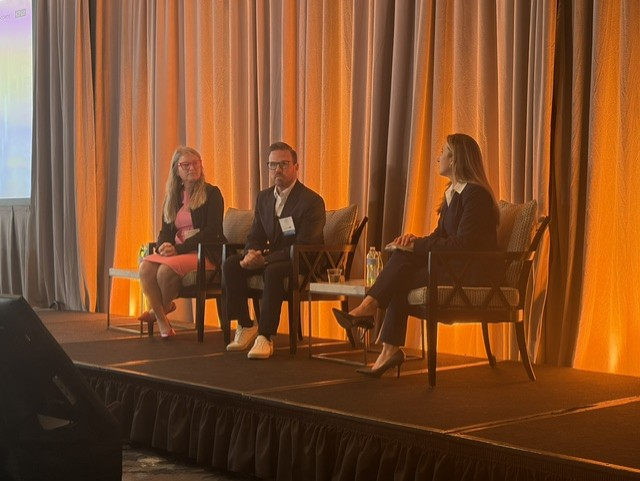
Pharma services has become one of the most active corners of healthcare and life sciences investing. At the inaugural Goodwin Pharma Services Symposium in Boston, which CFGI exclusively sponsored, executives, private equity investors, and advisers returned to one theme: the science is accelerating, the processes behind it are not, and that gap is where the opportunity sits.
Why capital is moving
Speakers described a clear pivot over the past five years, as investors shifted from traditional health services into pharma services. The appeal is straightforward: the sector offers exposure to advanced therapies, from biologics to cell therapy, without the billing and reimbursement risk of care delivery. Panelists saw limited AI disruption risk and substantial AI upside, in an industry where one speaker put the share of studies running behind schedule at roughly 85 percent. Independent research points the same way: a 2023 analysis of more than 2,500 surgical trials found only about one in five finished within the planned timeframe.
The deal data supports the momentum. PwC reports that pharmaceutical and life sciences deal value passed $65 billion in the first quarter of 2026, nearly double the prior-year quarter, with private equity increasingly active in services subsectors.
Differentiation drives the exit
Investors are discerning, and several panelists cautioned that valuations across niches have been uneven, with some areas bid up. Quality of revenue came up repeatedly: customer concentration, and the gap between pipeline and contracted revenue, particularly in emerging businesses. Buyers want to see that backlog is real, that contracts are papered and current, and that management can explain why its service outperforms and why its growth beats the market.
On the M&A side, the bid-ask spread has been wide after several subdued years shaped by policy and trade uncertainty. Panelists noted that acquirers will still pay platform-level multiples for add-ons in critical niches, but platforms themselves are trading a few turns below prior levels. Earn-outs and structural terms deserve early attention, because they shape integration as much as price.
Sponsors also stressed discipline about what to own. Several favored niches that are less capital intensive, where understanding the underlying economic model shows how to improve it, and spoke of buying businesses they would be happy to hold for the long term as hold periods stretch.
A market being reshaped
Three forces stood out. First, scale cuts both ways: as the largest CDMOs grow, smaller and mid-sized providers can give innovative sponsors the attention they may not get elsewhere. Second, China is influencing sourcing decisions. One speaker estimated that roughly 30 percent of innovation now happens there, in line with Evaluate’s estimate that Chinese companies drive nearly 30 percent of the global drug pipeline. Third, unpredictability, from tariffs to an unsettled regulatory model, is a bigger risk than the impact of any single policy.
Speakers also flagged manufacturing capacity that may have been overbuilt among the larger players, now being streamlined as a sign of improved efficiency, along with reimbursement questions in cell and gene therapy that remain unresolved.
Operationalizing AI: where value is actually created
The final panel of the day, featuring CFGI’s Head of AI Client Service, Josiah Tubbs, turned to the role of AI in value creation within pharma services investment theses. The throughline: returns depend less on the technology itself than on an organization’s ability to operationalize it. In a sector built on validated processes and audit-ready evidence, AI creates value only when it runs inside controlled workflows, with outputs that quality and operations teams can trust.
Josiah’s key takeaways:
- Prioritize ruthlessly. Focus investment on a small number of initiatives tied directly to the investment thesis, rather than spreading it across a broad set of pilots.
- Define success before the build. Agree on success metrics and acceptance criteria upfront, then use clear go/no-go decisions to scale what works and stop what does not.
- Pair readiness with governance. Readiness determines whether data, processes, and people can support AI; governance determines whether its outputs can be trusted and defended. Advancing one without the other leads to stalled pilots or unmanaged risk.
- Build a culture of adoption. Bring QA and operations in early as design partners and keep experts in the loop, so AI becomes part of how work gets done rather than another tool on the side.
Returns depend less on the technology itself than on an organization’s ability to operationalize it.
What this means for finance leaders
For CFOs, sponsors, and boards, the symposium reinforced where finance earns its seat. Revenue quality, concentration, and backlog conversion will be tested in diligence, so the evidence needs to be ready well before a process starts. That is where disciplined finance support pays off: quality-of-earnings analysis, audit-ready financial statements, and validated backlog and contract data prepared ahead of a transaction. Contract terms, earn-outs, and integration costs should be modeled early. And the claim that a service model is better, including how a company responds when things go wrong, must be backed by data.
The same discipline applies to the AI story. As Josiah’s panel made clear, a credible transformation case rests on controlled workflows, defined success metrics, and governance that lets quality and operations teams stand behind the output, not on the technology alone.